You’d think productivity comes from the latest app or a $200 desk lamp. Wrong. It’s the battered wooden spoon in a chaotic kitchen drawer that holds the secret to modern office efficiency. Before industry reimagined our workplaces, it was the humble spatula—organized, accessible, familiar—that quietly inspired a new mental model for our desktops. Strange? Not at all.
In a world obsessed with digital innovation, it’s so easy to overlook that order—the genuine, tactile kind—has ancient roots. The inspiration for today’s desk logic doesn’t come from a corporate playbook. It comes from that homey, utilitarian space where function always beat form: the kitchen. That’s why the team behind Kitchen furniture – Kitchen furniture is onto something seismic by tracing our drawer habits straight to our modern office cubicles.
How Utensil Logic Shapes Office Desks—The Real Argument
Let’s bulldoze the myth that modern office organization is born from sleek tech or designer minimalism. The real kernel? It’s the elegant, repetitive dance of grabbing a whisk in the morning or knowing which serrated knife waits at the back. The core thesis of The Organizational Philosophy of Kitchen Utensils Inspires the Organization Logic of Modern Office Desks is almost subversive: the same logic that structures a chef’s workspace powers a hyper-organized knowledge worker’s desk.
You can thank the kitchen for those tidy desk trays, modular pen holders, and—yes—even the way we categorize cables. The article argues that ergonomic efficiency was perfected by home cooks long before Fortune 500 firms paid consultants to “streamline workplace flows.” From the utility of dividing drawers (think separating ladles from garlic presses) to the freedom of a ‘junk’ drawer for creative sprawl, the principles haven’t changed. Office desks are now kitchen drawers, just with blueprints and business cards swapped in for spatulas and peelers.
What’s especially bold about Photoedi’s analysis is the spotlight on how placement and access pattern our cognitive work. If your stapler’s always on the left—much like your favorite measuring cup lives top right—your brain starts firing on autopilot. That’s organizational joy, not discipline. And it’s a lesson straight from generations of daily meal-prep, not quarterly management handbooks.
Let’s Get Real: Office Desks vs. Kitchen Drawers (A Table of Logic)
| Kitchen Utensil Logic | Modern Office Desk Logic | Hidden Lessons |
|---|---|---|
| Utensil trays: Knife here, spoon there | Desk organizers: Pens here, charger there | Compartmentalization boosts mental flow |
| Frequently used tools near the surface | Essentials in visible reach | Muscle memory drives efficiency |
| ‘Junk drawer’ for random gadgets | Overflow tray for odd notes, old lanyards | Allow space for ‘messy creativity’ |
| Dividers for different utensil types | Cable boxes, folder racks, post-it groupings | Visual cues minimize error |
| Occasional deep-cleaning, then restock | Desk overhaul every quarter | Reset rituals prevent stagnant habits |
The Pragmatic Blueprint: Turning Spoon Logic Into Desk Zen
This isn’t about copying some influencer’s bamboo caddy. The trick is to ruthlessly analyze how you use space—just like a chef. Here’s how to convert utensil wisdom into desk mastery:
- Audit Your Essentials: Every item you touch daily goes atop your desk (not below, not behind, not “out of sight”). Just as no one would bury a can opener in the back, your main tools should be grab-and-go.
- Embrace Dividers: Kitchen trays exist for a reason. Invest in quality desk dividers. Don’t let your pens, chargers, sticky notes, and ethernet adapters wage war in the same drawer. Segmentation means speed.
- Design a ‘Junk Space’: Even the most hyper-organized kitchen has a wild-card drawer. Stop pretending your office can live without one. A defined but limited tray for random tech, keys, or expired gift cards makes room for creative chaos—all while keeping the rest pristine.
- Apply the “Most Used, Most Visible” Rule: Every kitchen tool’s location is dictated by use frequency. Get honest about what you grab ten times a day and shift it to arm’s reach. Archive the rest.
- Quarterly Reset: Just like kitchen deep cleans, set a recurring calendar event to empty, clean, and reconfigure your workspace. Your workflow shifts; your setup should too. Stop assuming last year’s “winning” arrangement serves your current reality.
- Visual Cues Reign Supreme: Mark sections with color, shape, or texture—just like those bright rubber spatulas pop out in your kitchen. It’s not about style. It’s about instant recognition under pressure.
- Ergonomics is Not a Corporate Fantasy: Forget what HR tells you. Good desk design means your hand never strains for the stapler, your mouse doesn’t hide under papers, and your main tool—laptop, calculator, whatever—is never covered. Organize like a cook who never wants to spill.
This is the kitchen’s real secret: cozy, lived-in order beats sterile perfection every time. If your workspace feels inhospitable or you’re constantly hunting for that one crucial widget, you’re violating the ancient logic that keeps kitchens humming.
The Industry Blind Spot: Why Most Productivity Advice Misses the Mark
Here’s the dirty secret: productivity gurus are selling aspiration, not functional reality. They peddle “systems” that ignore tactile, physical intuition. They want you to believe every tool should be hidden “for minimalism.” But walk into any restaurant kitchen at peak hour—a flurry of flying utensils, everything just where it needs to be. Perfectionists don’t win; adaptable organizers do.
What most miss is that organization is as emotional as it is logical. People crave spaces organized for both predictability and freedom. Why do we remember where the cheese grater lives, but not the third app icon on our phone? Because kitchen logic is sensory. We feel it, not just think it.
Corporate manuals overlook the micro-habits that self-evolve at a personal desk—or stove. Standardization works for assembly lines, not for creative, thinking jobs. The best office setups borrow from utensil logic: fluid, personal, adaptive, resilient.
The Road Ahead: Will Office Spaces Embrace Kitchen Wisdom or Throw It Away?
Here’s the provocative forecast: Future desk designs will start—maybe reluctantly—incorporating even more lessons from home kitchens. Expect organizing systems that prioritize both routine and spontaneity. Think: modular drawer trays that adapt weekly; AI-driven “desk audits” that prompt you to shift items seasonally; visual icons, not just bland labels. Maybe physical workspaces will even blend with the eat-in kitchen as remote work blurs the boundaries.
Minimalism isn’t dead, but it’s evolving. Order won’t be about hiding; it’ll be about purposeful, visible curation—it’s not about having less, but about finding what you need 10x faster. Maybe, just maybe, we’ll thank Mom’s utensil drawer, not the latest Silicon Valley thinkpiece, for our best breakthrough moments.
Are we ready to design offices as cleverly as we stock our kitchens? Or will we keep organizing by algorithm, missing the point entirely?
Related Posts
Smart Calendar: The best tool for office productivity
Hey there, productivity enthusiasts! If you're looking to boost your…
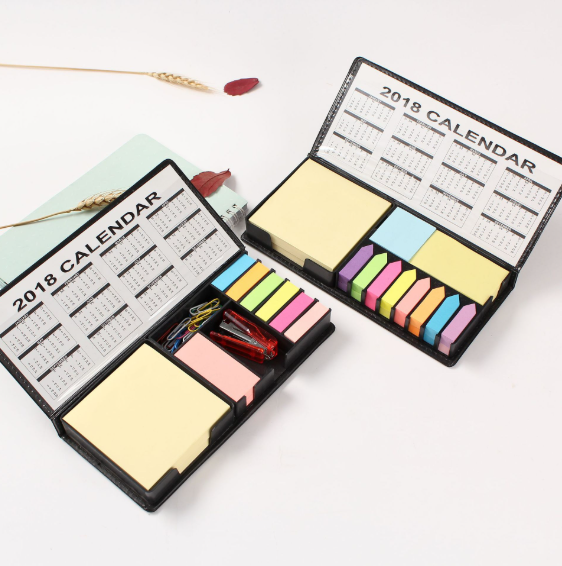
Title: Sticky Notes: The Unsung Heroes of Productivity
In the age of digital tools and apps, it’s easy…

Title: Utility Knives: Essential Tools for Modern Office Efficiency
In today’s fast-paced office environment, having the right tools can…